Avoid utility line hazards: 4 expert tips for safe planting
May 9, 2025
Updated: May 29, 2026
Planting a tree is an investment in the future. Trees can provide shade, improve air quality and increase property value. But if you plant a tree in the wrong place, you can create safety risks. Your tree might need extra maintenance to prevent it from growing into utility lines, or it might need to be removed.
We asked a few experts for their top tips on safe planting practices to help protect you, your trees and your community.
Key takeaways
- Planting too close to utility equipment can cause safety hazards and require tree pruning or removal.
- Always click or call BC 1 Call to locate underground utility lines before you plant anything.
- Choose tree species that fit your space, climate and distance from power lines.
- Planting the right tree in the right place helps protect your property and utility services.
Why does it matter where you plant your trees?
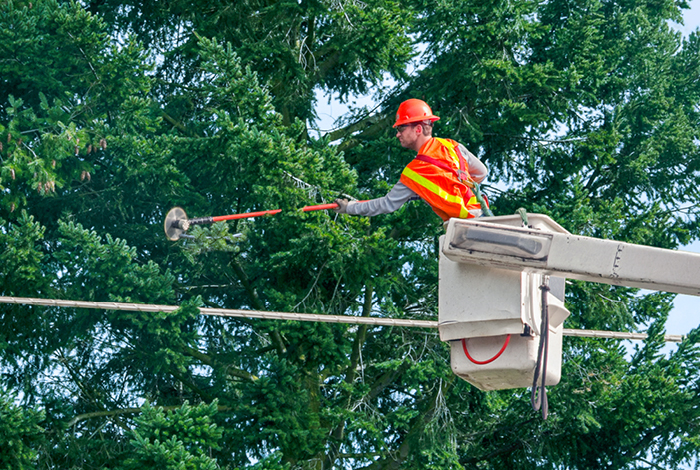
Where you plant trees is important because when they’re too close to utility equipment, they can create safety and maintenance problems.
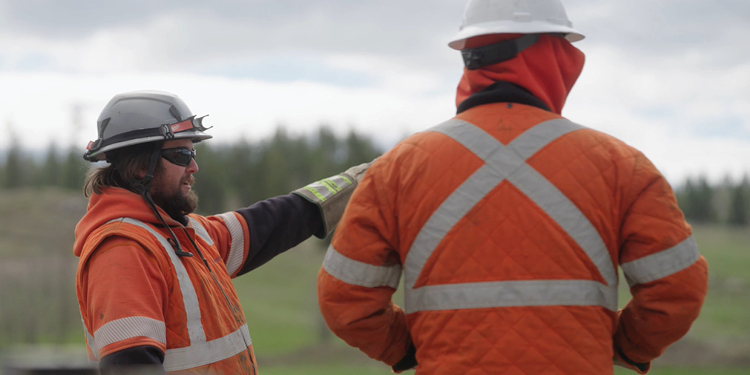
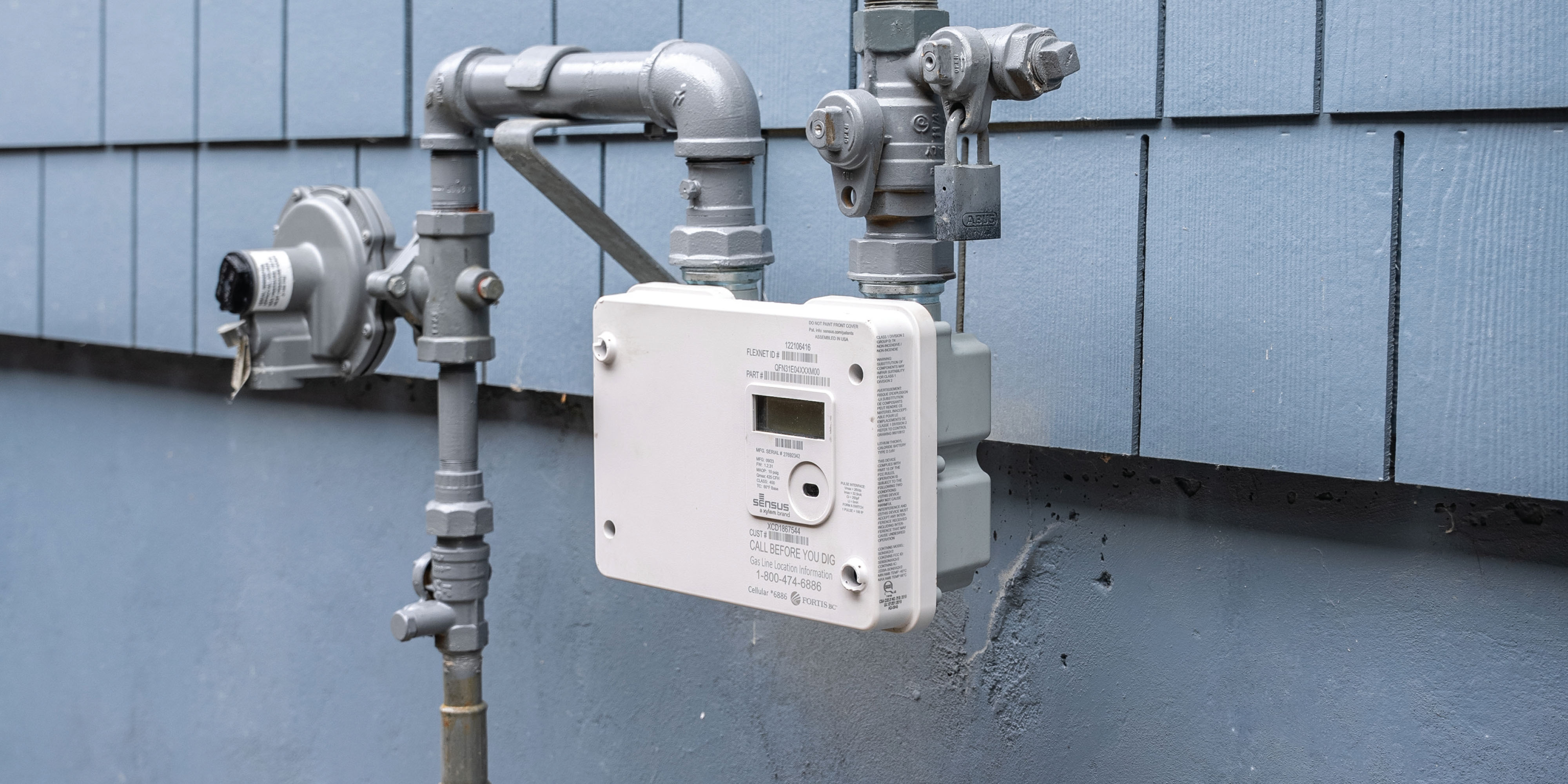
David MacInnis is one of our operations supervisors who oversees vegetation management programs. Vegetation includes trees, shrubs and invasive plants that can affect our gas lines, power lines and other equipment. Even when this equipment sits on private property, it must be kept clear of vegetation, so it remains safe and accessible.
David works with crews that trim or remove vegetation near utility equipment. Sometimes trees or shrubs must be cut down if they pose a risk.
“People want their yard to look a certain way,” he says. “But if their trees or bushes are too close to our equipment, we’ll have to prune them or possibly remove them.”
You spend time and money on your trees. Planting the right ones in the right places helps make sure they don’t need heavy pruning or removal later.
David MacInnis, FortisBC operations supervisor, right of way vegetation programs
Learn more about our tree-trimming program.
What are the risks of planting too close to utility lines?
Some of the risks include:
- Power outages and fire hazards—Trees that grow into or fall onto power lines can cause outages and pose a fire risk.
- Damage to underground utilities—Roots can interfere with gas lines, electrical cables and other buried lines, which can lead to leaks or service disruptions.
- Blocked access for utility workers—Crews need space to inspect, maintain and repair equipment safely.
Experts answer the most important questions about safe tree planting
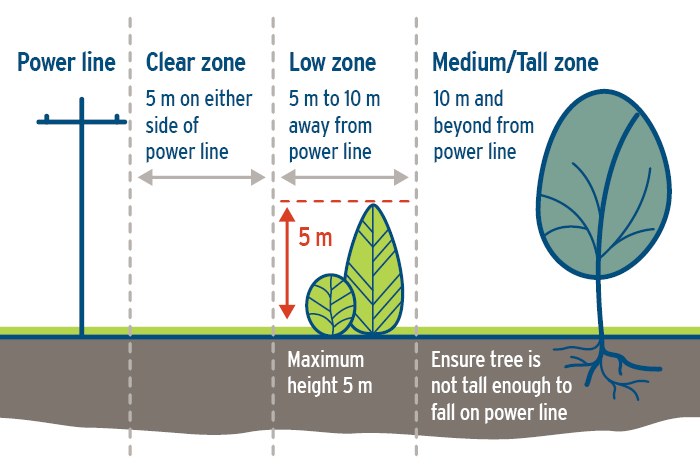
How far from utility equipment should you plant?
- To avoid problems, follow FortisBC’s guidelines for safe planting near power lines, gas lines and padmounted transformers.
- David urges homeowners to follow our guidelines for safe planting. Review the illustrations, measurements and height limits before planting. Planning ahead helps reduce safety issues and prevents trees from needing heavy pruning or being removed.
Why should you click or call before you dig?
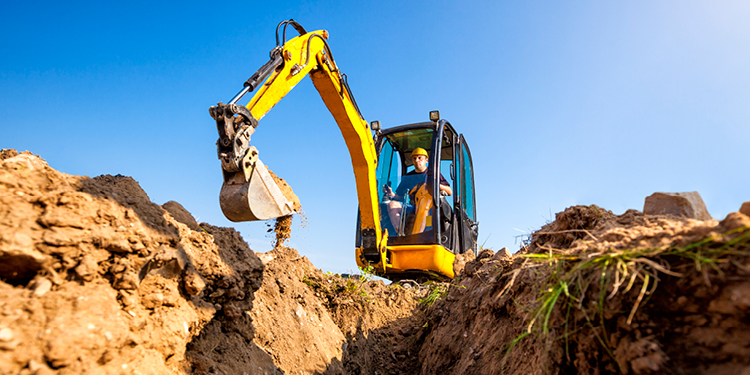
- You should always click or call before you dig to get location information for underground utility lines.
- It’s easy to see overhead power lines and measure a safe distance from them. But underground gas lines and other buried utilities aren’t visible.
- Every expert we spoke to shared the same advice: before you plant, contact BC 1 Call.
- This free service contacts utility companies on your behalf to see if there’s any buried lines in your yard, and those utility companies (like FortisBC) will contact you with location information. If you need more convincing to take this important step, check out these cautionary tales about folks who didn’t click or call before they dug.
What trees are safest to plant near power lines?
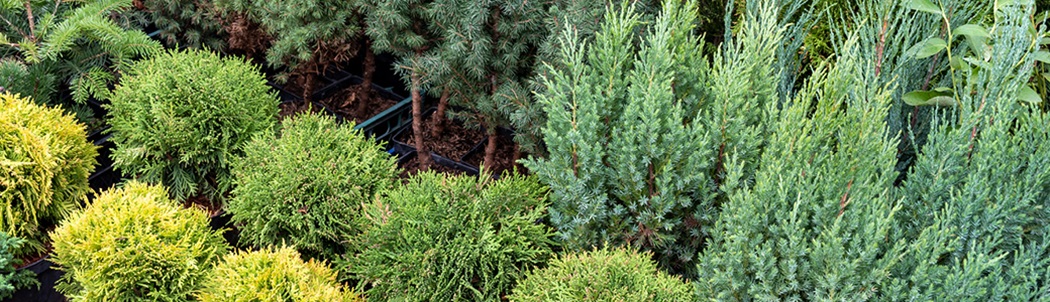
- The safest trees are those that fit your climate, space and distance from utility equipment. Here are a few species you could consider for each zone:
- Clear zone: don’t plant anything within five metres of a power line.
- Low zone: from 5 metres to 10 metres away from a power line:
- Pacific Ninebark – a large shrub with white flowers
- Kinnikinnick – a low-growing shrub with pink flowers and red berries
- Hussi Canadian Hemlock – a slow-growing dwarf tree
- Western serviceberry – a shrub with white flowers and red or purple berries
- Medium/tall zone: 10 metres or more away from power line:
- Rocky mountain maple – a small, drought-resistant tree
- Bigleaf maple – a medium-sized tree
- Whitebark pine – a small to medium-sized, slow-growing and long-lived tree
- Choosing the right species helps reduce long-term risk and maintenance. Trees that grow too tall may fall onto or grow into power lines. Trees that don’t suit the climate or site may die early. Dead or dying trees aren’t just unsightly, they can be dangerous. They’re more likely to fall onto power or gas lines, or your home. If a tree touches a power line, it can also create a fire risk.
- David recommends avoiding fast-growing, tall trees like poplars, willows and cottonwoods near utility equipment.
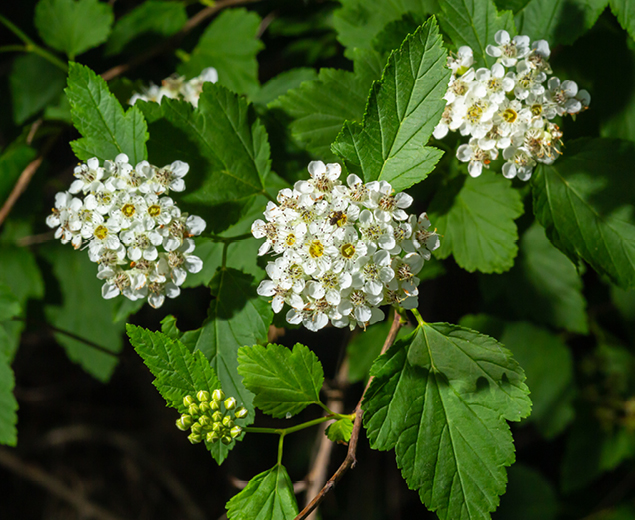
Pacific Ninebark — a large shrub with white flowers
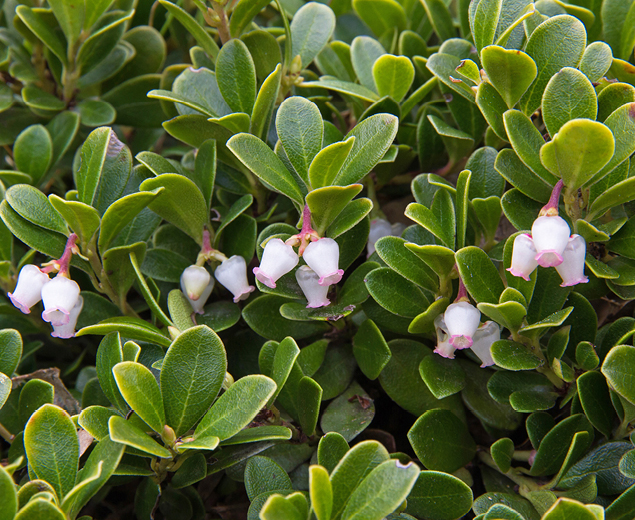
Kinnikinnick — a ground-trailing shrub with pink flowers and red berriess
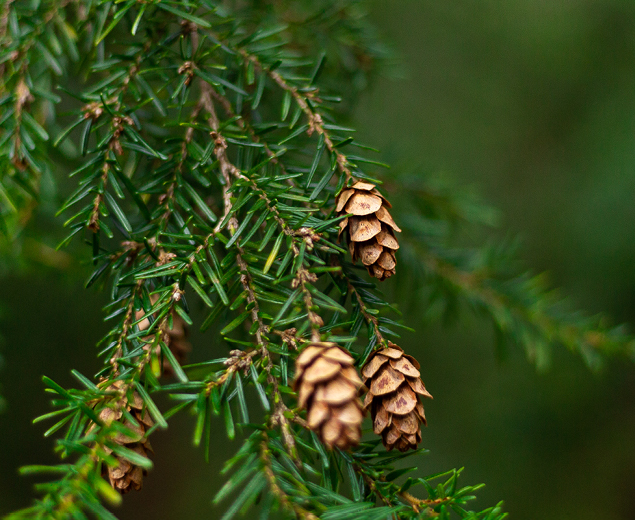
Hussi Canadian Hemlock — a slow-growing dwarf tree
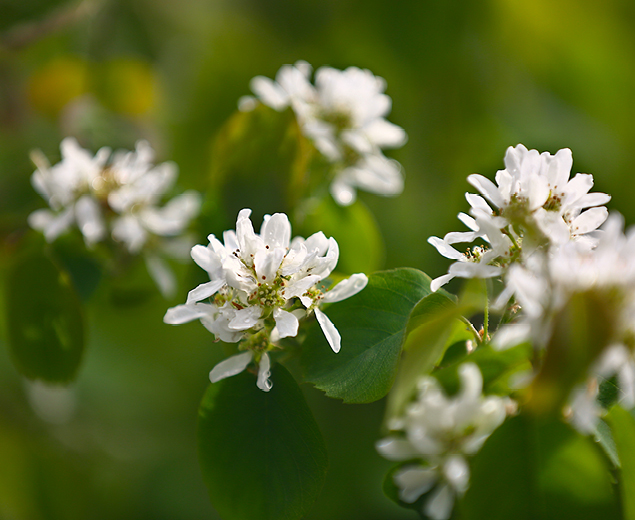
Serviceberry — shrub or small tree with white flowers and red/purple berries
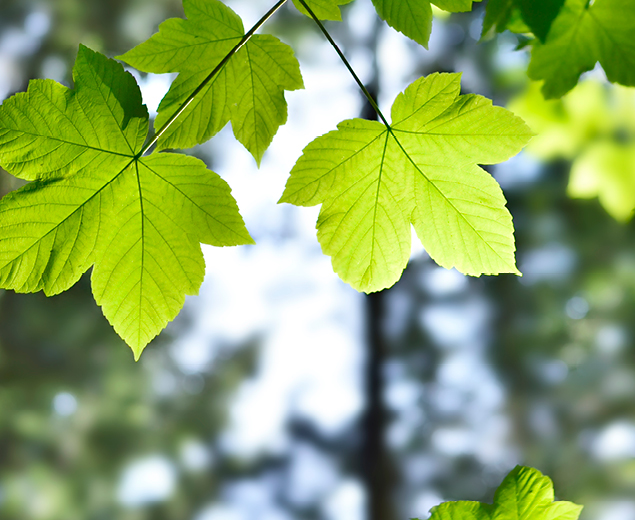
Rocky mountain maple — a small, drought-resistant tree
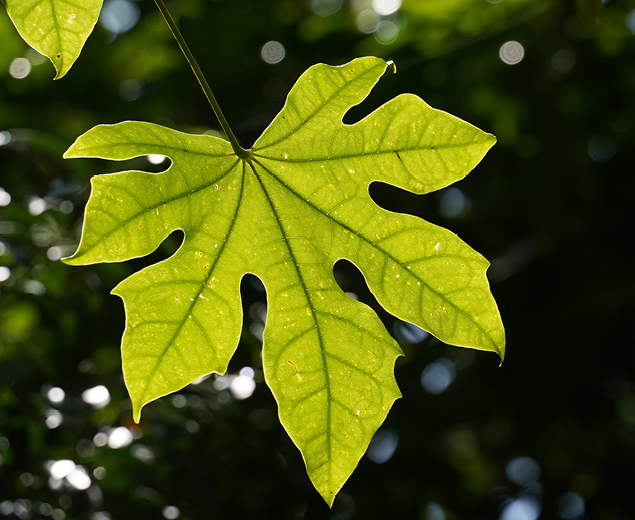
Bigleaf maple — a medium-sized, broad-leafed tree
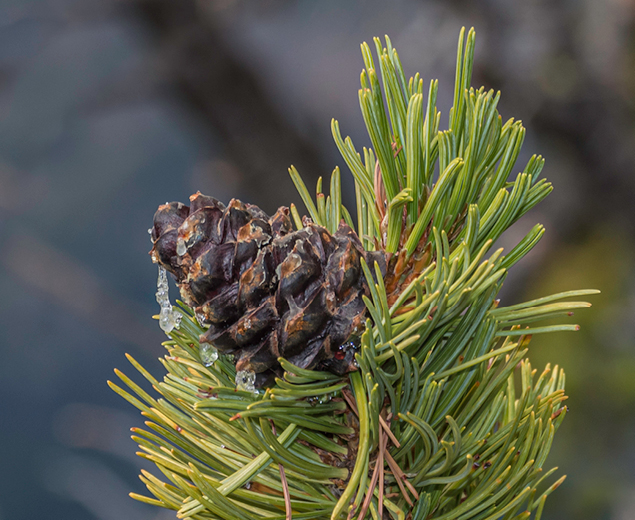
Whitebark pine — a small to medium-sized, slow-growing, long-lived tree
Who can help you choose the right tree?
- Local landscapers and nurseries can help you choose trees that grow well and stay safe.
- We spoke with Angie Miller Chamaa, program coordinator at the British Columbia Landscape and Nursery Association about where to get the best planting advice. Their organization promotes safe planting and digging practices across B.C.
- Angie says local landscapers and nurseries are strong resources. They understand what grows best in your area and how large each tree will be at full maturity.
- To get the best advice, she suggests sharing:
- Why you want a tree: Privacy, year-round colour, flowers, fruit or shade
- Sunlight exposure: How much daily light the area receives
- Soil conditions: Whether the soil drains well or stays wet
- Maintenance level: How much pruning, watering and fertilizing you’re willing to do
- “When you go to a nursery, bring photos of the spot you want to plant the tree, along with measurements of how much space there is for it to grow into,” Angie says. “Thoughtful planting and choosing the right tree or shrub for the right location helps reduce the need for future pruning or plant removal. It also protects underground equipment and allows plants to thrive by making sure they have the space, sunlight, and resources they need to grow properly.”
- Angie also recommends these resources:
- Metro Vancouver tree guide – you can filter by size, environmental tolerances and location type (overhead utilities, near roadways, etc.).
- Tree Canada: How to plant a tree - this guide covers pre-planting logistics, planting steps and tree maintenance.
Related stories